Description
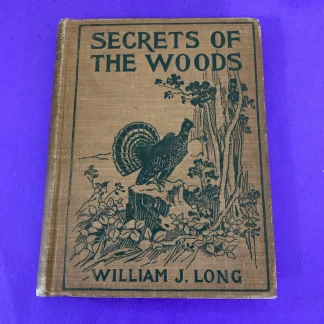
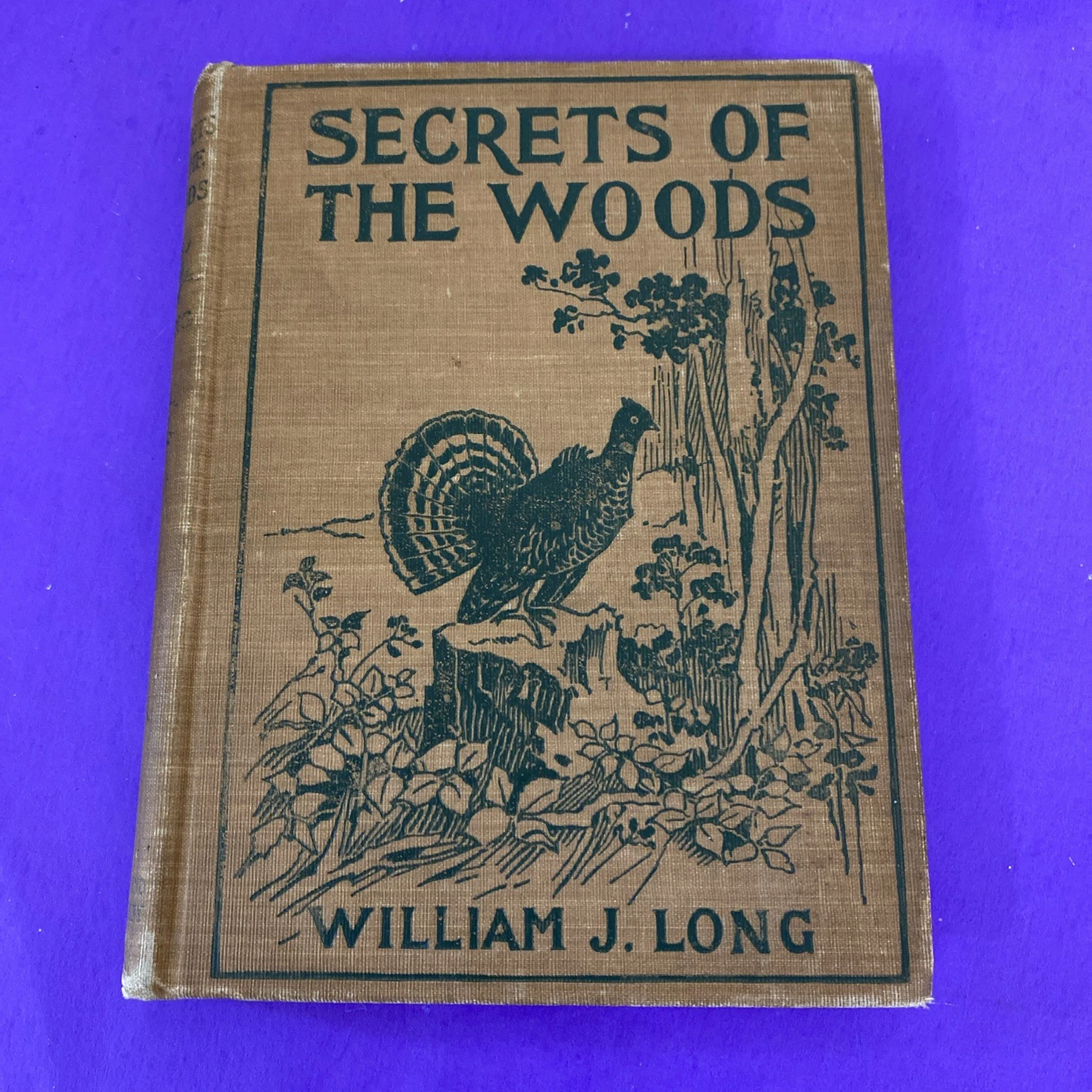
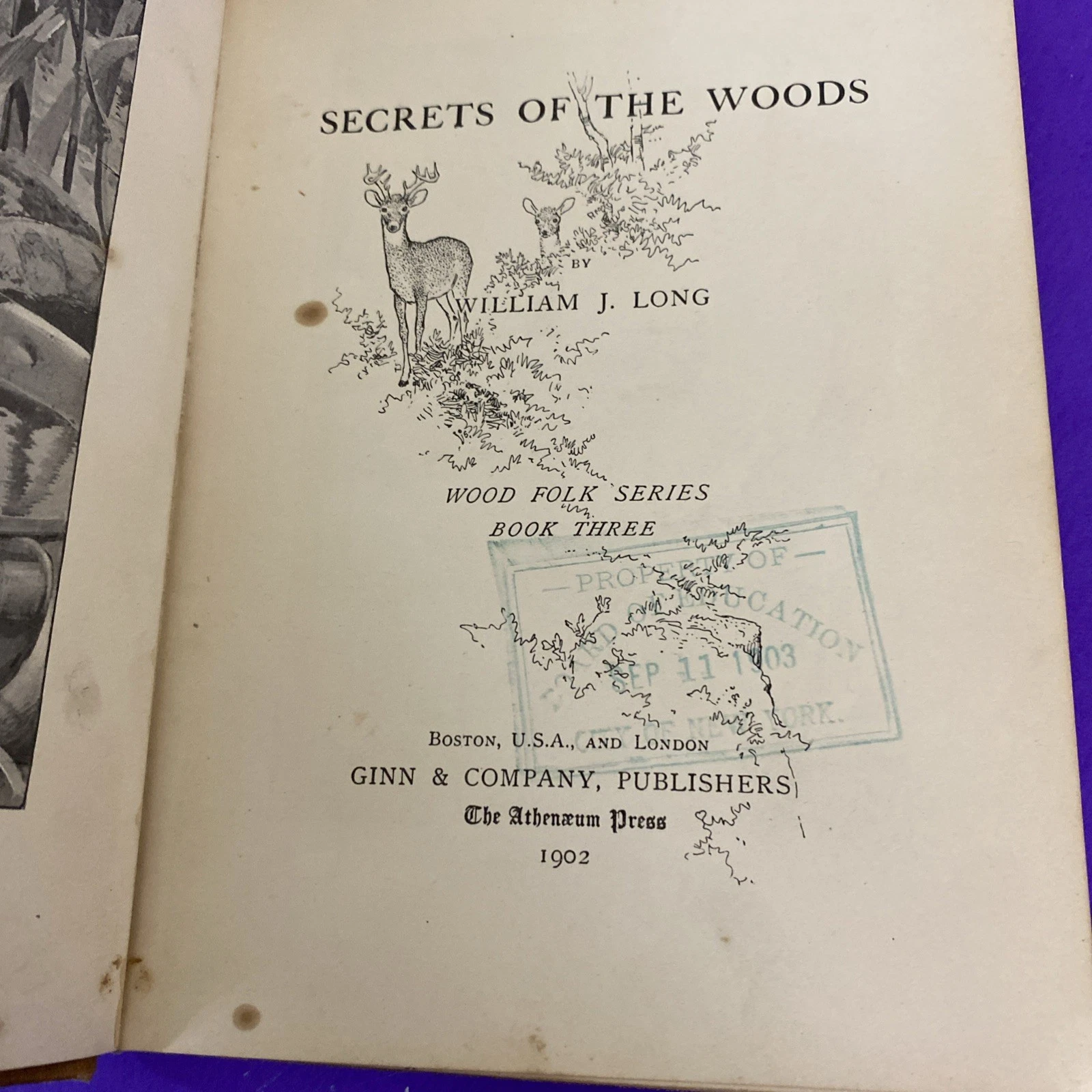
Offered here is a complete 1902 printing of William J. Long’s Secrets of the Woods, Book Three of the Wood Folk Series, published by Ginn & Company and beautifully illustrated by Charles Copeland. The work was originally published in 1901, making this an especially early example from the formative years of Long’s influential nature-writing series. A bibliographic record specifically documents the Boston and London Ginn & Company 1902 issue.
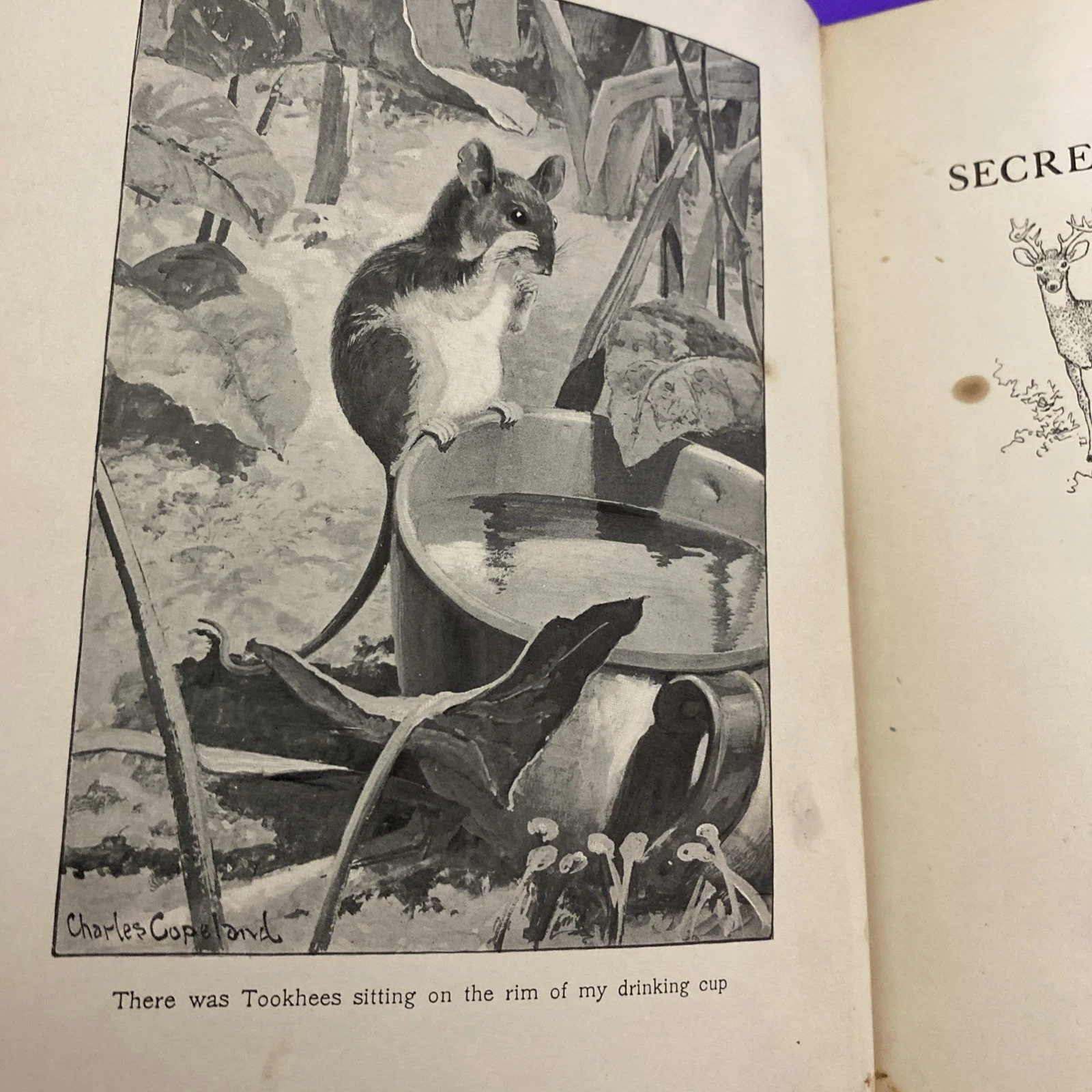
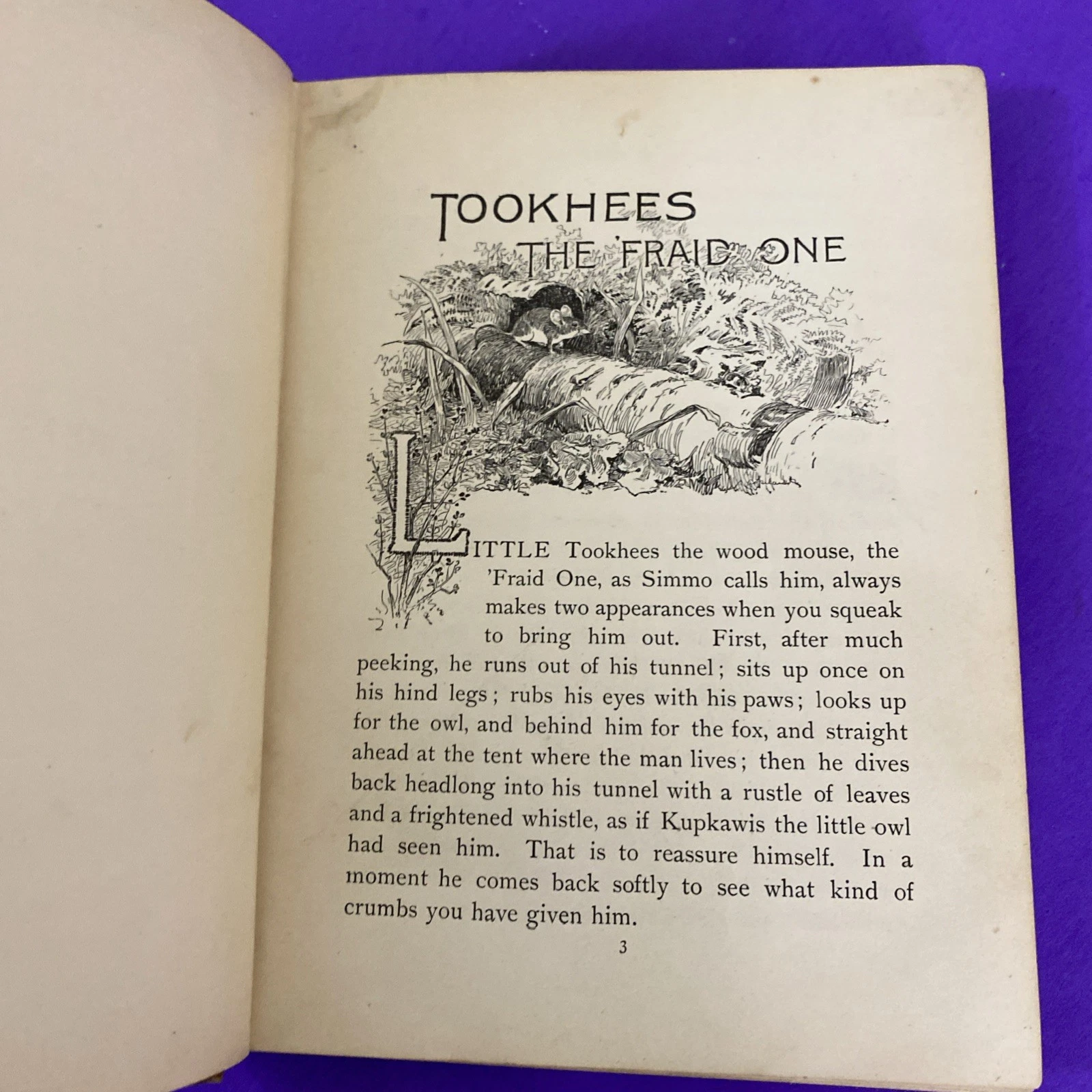
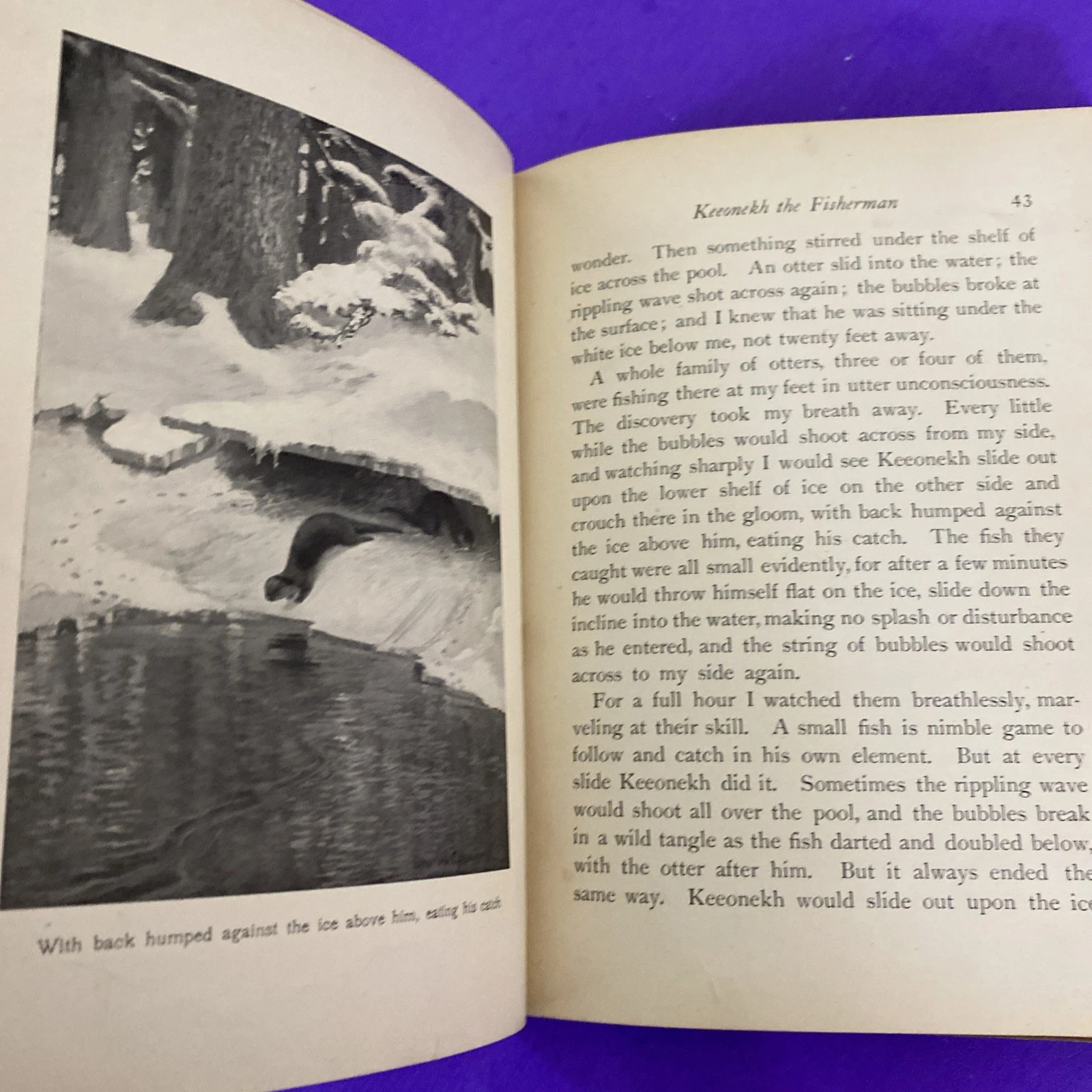
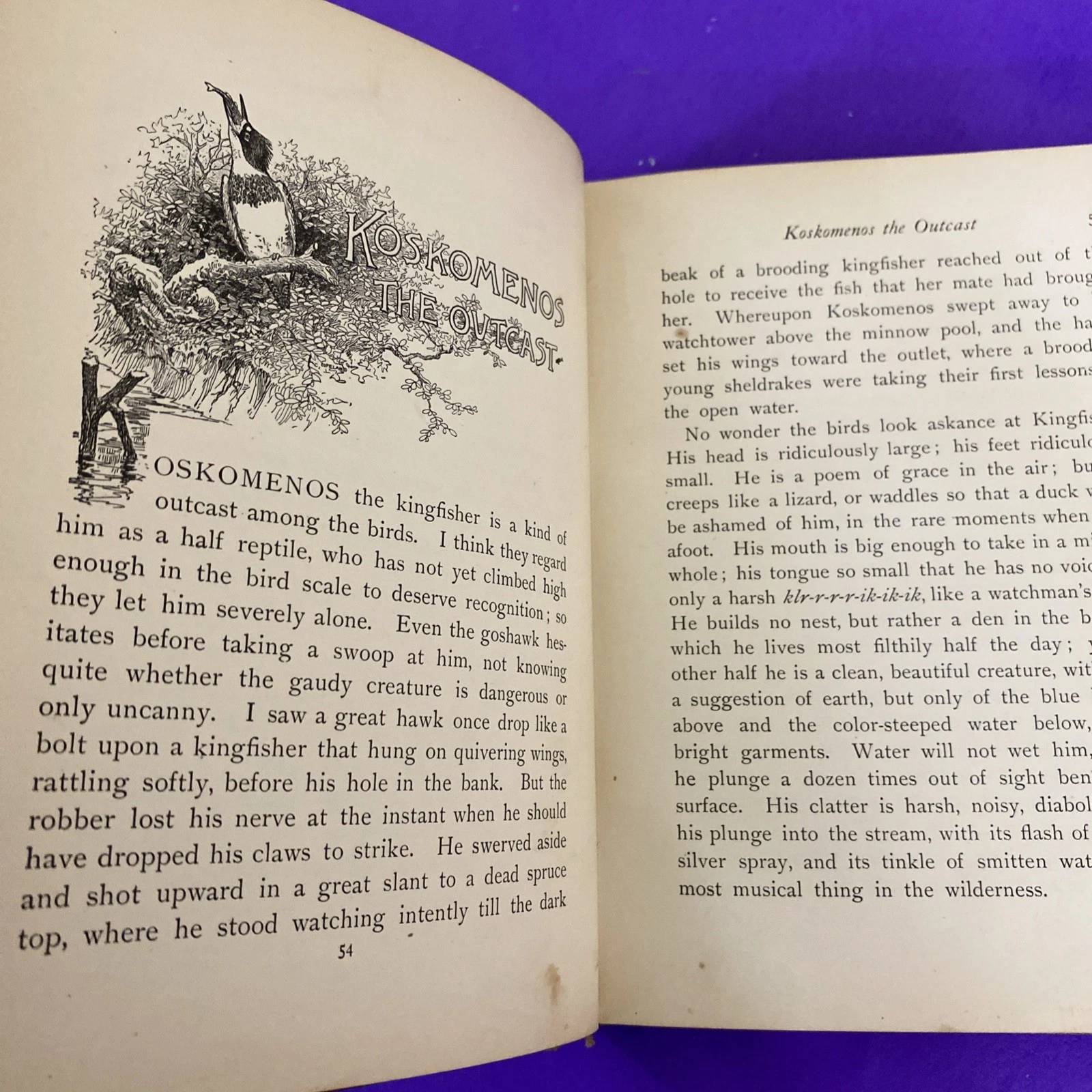
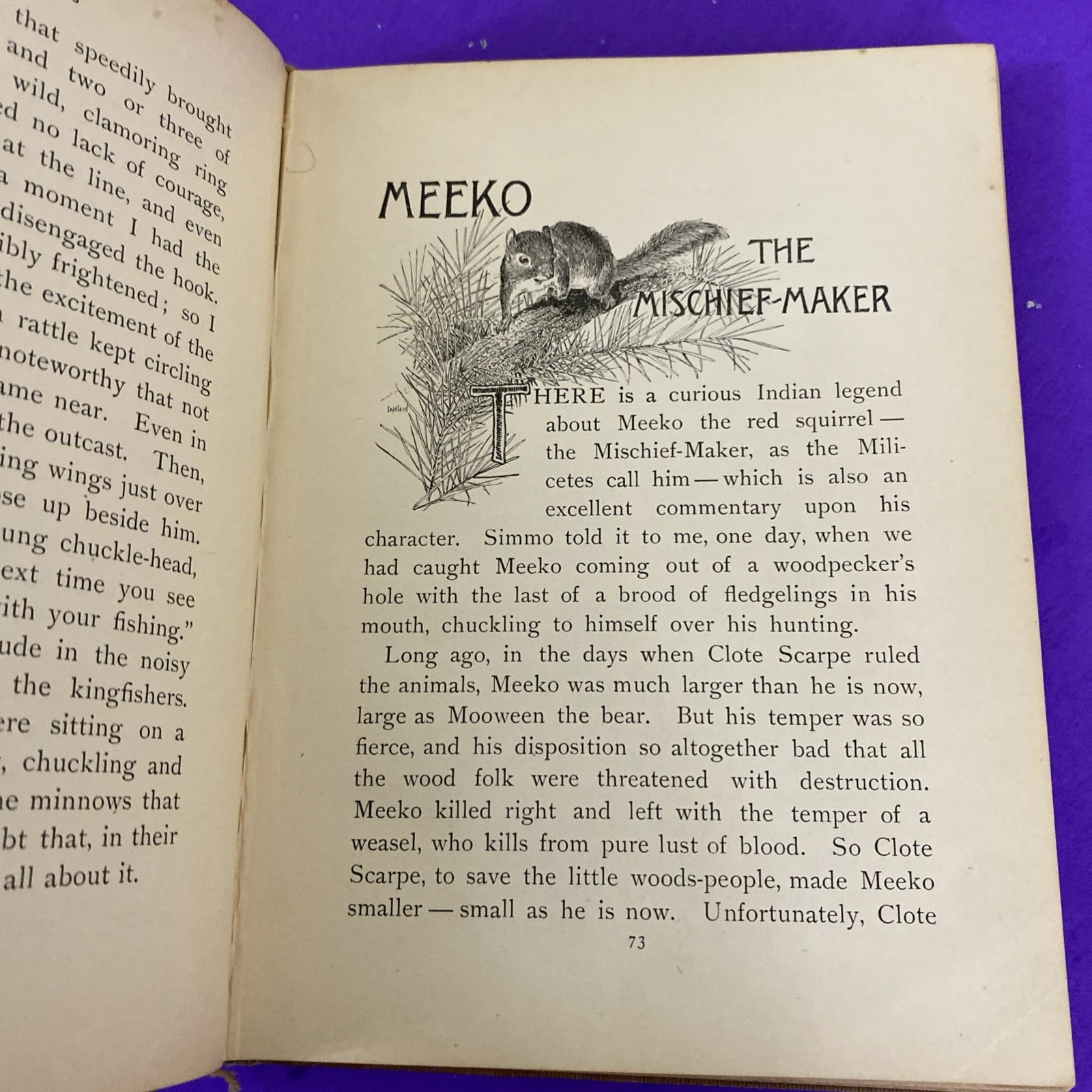
The original tan cloth binding features an appealing dark pictorial woodland design with a wild turkey on the front cover. Inside are numerous illustrations by Charles Copeland, ranging from full-page wildlife plates to elaborate illustrated chapter openings depicting the animals Long encountered and described.
Among the book’s notable features:
* 1902 Ginn & Company printing, copyright 1901
* Complete 184-page text
* Book Three of William J. Long’s Wood Folk Series
* Original pictorial cloth hardcover
* Extensively illustrated by Charles Copeland
* Wildlife subjects include the wood mouse, otter, kingfisher, red squirrel, partridge, deer and other woodland animals
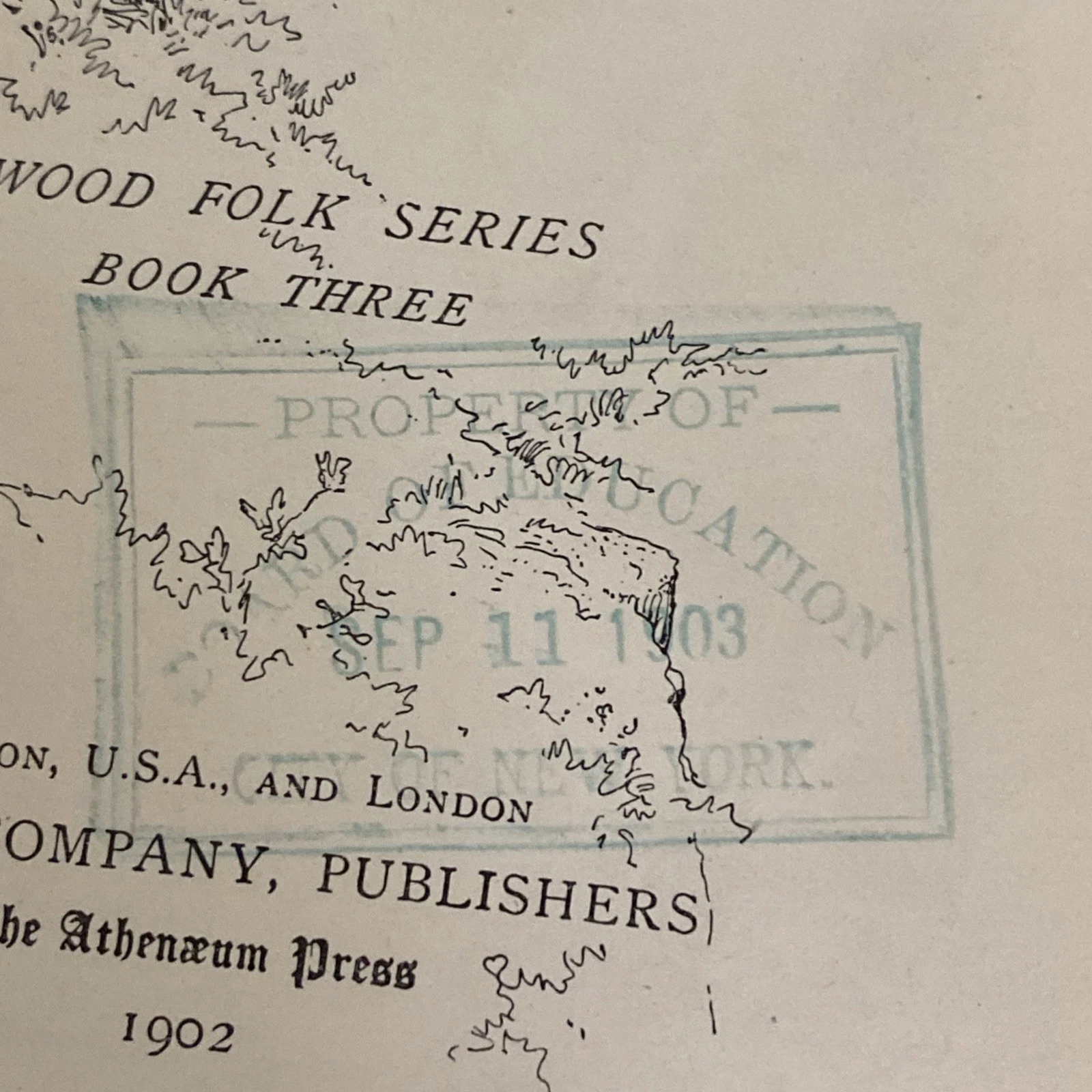
* Early New York Board of Education property stamp dated September 11, 1903
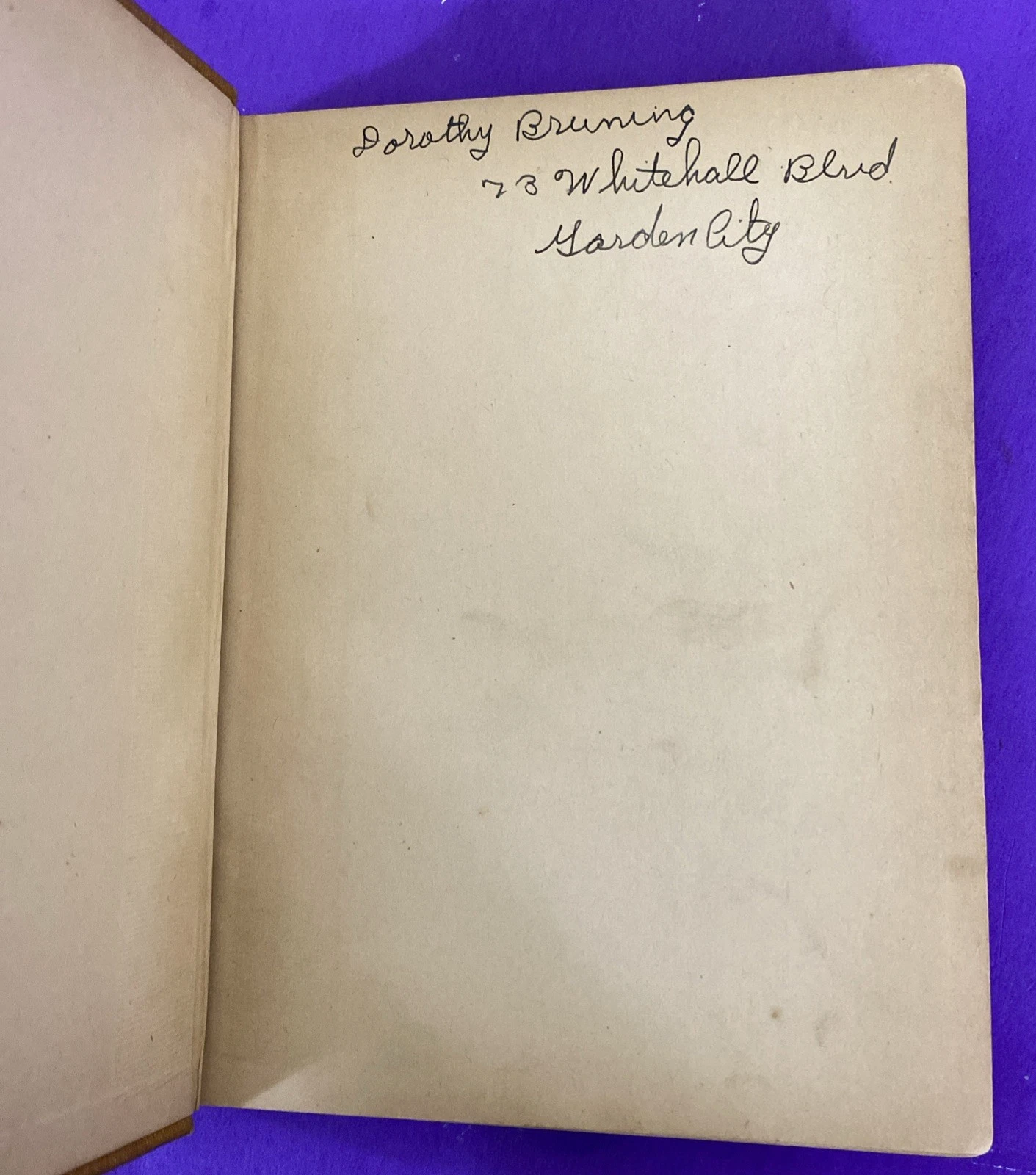
* Later Garden City, New York ownership inscription
* An appealing example of turn-of-the-century American nature-study and juvenile literature
Long is also historically significant because he subsequently became one of the central figures in the celebrated “Nature Fakers” controversy. His observations about animal intelligence and behavior brought him into a very public dispute with naturalist John Burroughs and President Theodore Roosevelt. The Theodore Roosevelt Center preserves correspondence documenting Roosevelt’s criticism of Long and the controversy surrounding his nature writing.
The dated September 11, 1903 Board of Education stamp gives this copy particularly appropriate historical provenance: Long’s Wood Folk books were used as educational nature reading, and this copy can be documented as having entered school use almost immediately after publication.
Condition: Complete antique copy with attractive original pictorial binding. The covers show expected rubbing, edge and spine wear, with a small spine abrasion and scattered marks. The interior remains quite bright and readable overall with strong illustrations. There is scattered age spotting/foxing and occasional staining. Page 71 is partially detached but remains present. One interior leaf has a small lower-margin chip/old repair that does not affect the printed text. There is some binding/gutter wear. The title page bears the dated 1903 Board of Education stamp, and the front endpaper has a former owner’s inscription.
This is a pleasing early copy with genuine educational provenance, attractive period artwork, and a direct connection to one of the most colorful controversies in early-20th-century American nature writing. Please view all the photos for a complete look at the binding, illustrations, provenance marks and condition.